A growing crisis in wildfire management has emerged as “zombie fires” smolder beneath the snow, reigniting when conditions permit. These fires, remnants of Alberta’s devastating 2023 wildfire season, challenge conventional firefighting methods and signal troubling shifts in climate dynamics.
Zombie fires, so named for their ability to survive through winter, burn deep in the peat and organic layers of forest floors. Hidden from view, they endure freezing temperatures, emerging undetected until warm, dry weather reignites them. Temperatures within these underground blazes can soar to 350°C, with satellite imaging and infrared technology often the only means of detection.
Lurking Below the Snow
The phenomenon traces back to the extreme conditions of the 2023 wildfire season, when over 100 fires swept across Western Canada. By early 2024, over 500,000 hectares of burned forest were directly linked to fires originating the year before. Experts like Mike Flannigan, a veteran professor of wildland fire science, have described the persistence of these fires as unprecedented. “We’ve never seen anything like this—fires lying dormant under snow and reigniting months later,” Flannigan said.
Persistent drought, a weak La Niña effect, and shifting seasonal patterns have created the perfect environment for zombie fires. Northeastern Alberta’s parched conditions have made extinguishment exceptionally difficult. Adding to the challenge, Alberta’s wildfire season now starts in February—months earlier than its traditional April opening—giving these fires a longer window to reignite and spread.
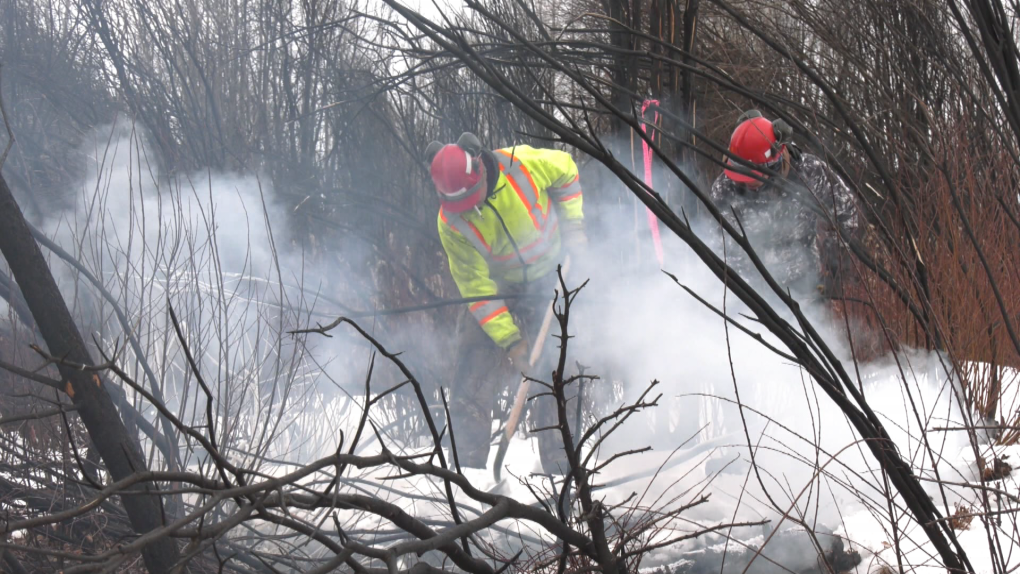
Fighting zombie fires is a resource-intensive endeavor. Firefighters must excavate the smoldering earth to extinguish embers buried up to a meter deep. Flooding affected areas and raising water tables have proven effective but demand significant manpower and resources. Urban areas have not been spared, with a peat fire in 2023 dangerously close to Edmonton’s Anthony Henday Drive underscoring the risks even to developed regions.
As the climate warms and droughts become more persistent, zombie fires are expected to grow in frequency and severity. The 2025 wildfire season could see remnants from 2023 still smoldering, forcing fire management teams in Alberta and British Columbia to adopt new strategies, including increased surveillance and innovative suppression techniques.
This crisis serves as a stark reminder of the broader challenges posed by climate change. As Alberta grapples with these underground infernos, the lessons learned may provide crucial insights for tackling wildfire threats on a global scale.