To a mix of reaction, the UPC announced that the province is lifting the 2022 moratorium on new coal exploration and development, paving the way for a multitude of new projects in the Alberta coal industry. The policy shift, which at this time time applies just to the eastern slopes of the Rocky Mountains, aims to reduce regulatory uncertainty and enable resource development in those areas.
 Brian Jean Justifies Policy Change
In a letter to the Alberta Energy Regulator, Energy Minister Brian Jean announced the decision, describing it as a move to clarify regulatory frameworks and support industry confidence for new projects and job creation. Jean emphasized that the government is developing a new policy that will remove red tape for coal mining operations while ensuring that coal companies prevent toxic selenium from entering watersheds and contaminating groundwater. The policy, announced in December, is still under development but is intended to address environmental management concerns while supporting industry growth.
“This decision provides clarity for stakeholders and aligns with our commitment to responsible resource development,” said Jean.
Implications for New Projects
The policy change reactivates exploration permits for over 1,880 square kilometers of leases, with new projects expected to begin preparations as early as this spring. Among the projects likely to benefit is the Grassy Mountain proposal in the Crowsnest Pass area, which had faced lengthy delays due to regulatory hurdles. The Canadian Parks and Wilderness Society’s Alberta chapter noted that companies with reactivated exploration permits can now resume activities.
The 1976 coal policy remains in effect for Category 1 lands, which include parks, wilderness areas, and wildlife sanctuaries. However, Nigel Bankes, professor emeritus of law at the University of Calgary, highlighted that most other areas with existing leases are now open for development. “It’s effectively open season for coal exploration and development,” he said.
Legal Challenges Addressed
The government’s decision also comes as Alberta faces lawsuits from five coal companies seeking a combined total of $15 billion in compensation for lost revenues and costs stemming from previous policy reversals. Legal experts suggest the moratorium’s removal could undermine these claims, as it eliminates the primary basis for the legal actions.
“By lifting the moratorium, the government may be addressing a significant vulnerability in its legal position,” said Bankes. The companies involved are expected to appear in court this spring.
Highvale Mine Focused on Reclamation
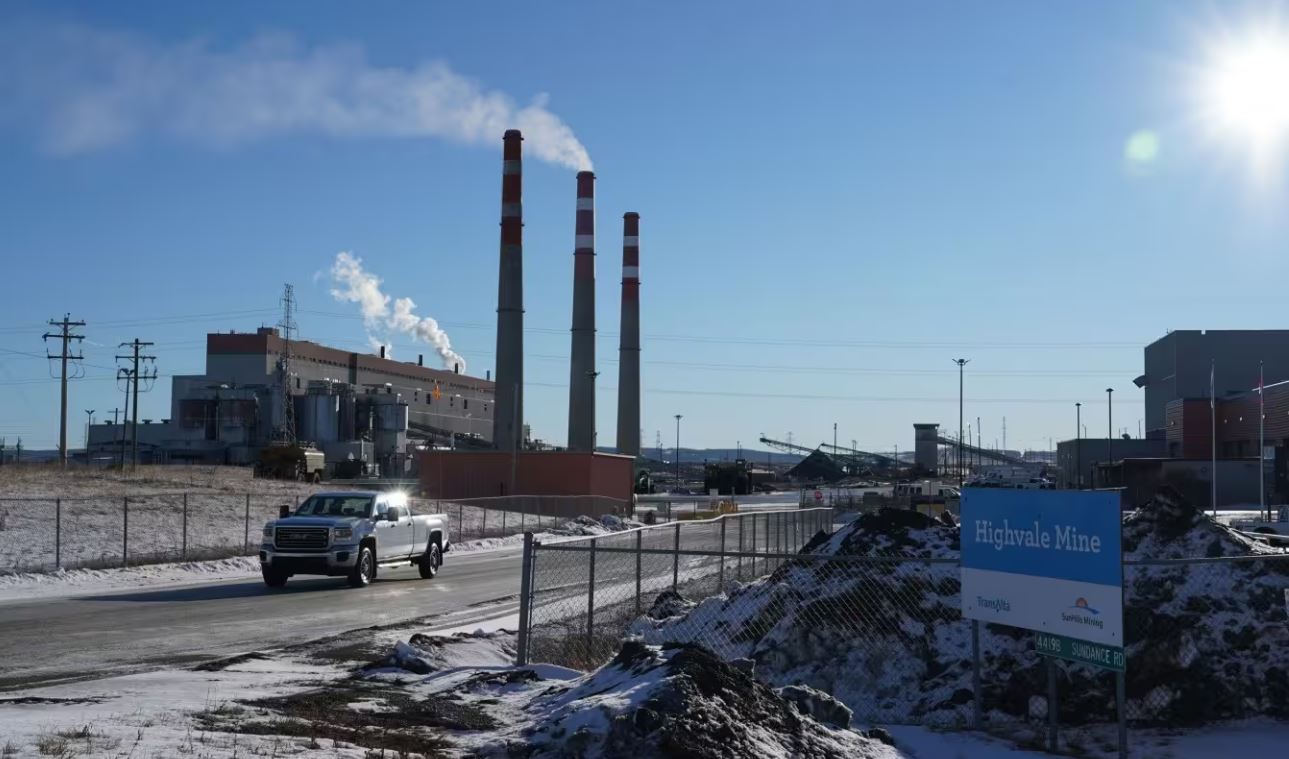
While the policy change primarily impacts new and pending projects in the eastern slopes, it raises questions about how Alberta’s broader coal landscape is evolving. Near Lake Wabamun, the Highvale Mine, once one of Canada’s largest surface coal operations, ceased active mining in December 2021. The site has since transitioned to full-time reclamation efforts, with a targeted completion date of 2046. However, it remains unaffected by the new policy, as it is located outside the regions targeted for renewed exploration and development and received $486 million from the province for switching over to natural gas in an agreement struck in 2016. The corporation is to receive 37.4 million per year from 2017 to 2030 as part of the deal.
Under the terms of that agreement, TransAlta was required to commit to maintaining “a significant business presence in Alberta” and to support communities and employees negatively affected by the end of coal operations. It’s estimated that the move cost more than 1100 jobs including 700 unionized positions when they shuttered the operation. This was a bitter pill for the community to swallow – further aggravated by changing their phase out plans to be coal free by 2022 instead of the 2030 target. For those that lost their jobs – as the company received millions annually for not keeping the mine in operation – many felt that they were left to fend for themselves while tax payers were on the hook for the bill. The company says the decision to accelerate that transition was the result of a number of policies beyond the agreement, including carbon pricing.
Environmental Risks Under Scrutiny
One of the primary concerns centers on the potential environmental impacts of new coal projects. Critics warn that coal mining activities could lead to the leaching of selenium, a toxic byproduct, into nearby watersheds. Selenium contamination poses a threat to aquatic ecosystems and downstream communities reliant on clean water. The policy reversal, which applies to the eastern slopes of the Rocky Mountains, has drawn criticism from conservation groups, legal experts, and opposition politicians.
The eastern slopes are also home to sensitive ecosystems, and conservation groups argue that opening these areas to exploration could harm wildlife habitats and degrade protected lands. “These areas have been safeguarded for years because of their ecological importance. This reversal puts that at risk,” said a spokesperson for the Canadian Parks and Wilderness Society.
Transparency and Public Trust
The policy change has also raised questions about government transparency and the reliability of previous commitments. In 2021, the government faced widespread public backlash after attempting to loosen restrictions on coal mining in the Rockies, prompting the 2022 moratorium. Now, the decision to lift that moratorium is being viewed by some as a betrayal of public trust.
Opposition NDP environment critic Sarah Elmeligi has accused the government of creating confusion for both the public and industry. “Albertans were led to believe that the moratorium was a permanent safeguard for the eastern slopes. Now, the UCP has backtracked, breaking that promise,” Elmeligi said.
The government maintains that the moratorium’s removal will reduce regulatory uncertainty and provide clarity for future projects. However, the lack of finalized details in the proposed environmental policy, including unclear definitions of banned practices like open-pit mining, has fueled concerns about insufficient oversight.
Have an opinion on this article – join the discussion here